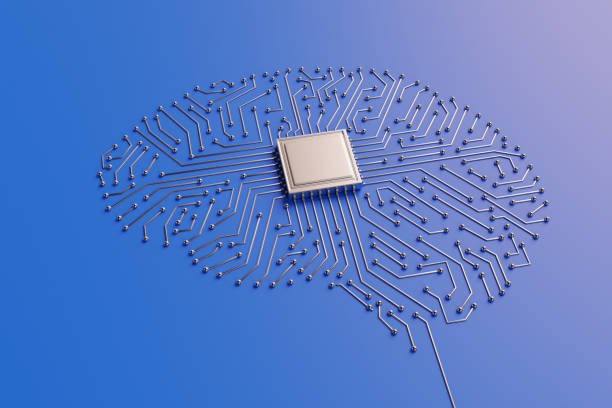
Today, every business wants to be “AI-ready” because algorithms alone have the power to unlock future growth. However, most of these groups are subject to the same frustrating reality: they cannot align their goals with their systems.
The reason is simple but underappreciated: the route to true AI preparedness isn’t AI itself, but rather modern apps.
The foundation of any organization’s online presence is its apps. In addition to facilitating team connections, they also manage data and enhance customer satisfaction. Yet when these apps are aged, even the most sophisticated AI investments fall short.
In the absence of modernization, businesses are trying to build a digital future on a foundation intended for the past.
What are some myths of AI-readiness without modernization?
One of the biggest myths is that to be ‘AI-ready’ you need to hire data scientists or get expensive AI software. But in reality, AI cannot function without data. The data needs to be connected, clean, and real-time. For legacy applications, which were designed for stability and not for flexibility, this requirement is just too heavy.
Dated systems save data in fragmented structures, operate in silos, and require manual integration. Data insights are late, automation is no longer trustworthy, and innovation reaches a plateau. Companies normally experience poor and inconsistent outcomes when attempting to integrate AI with these old systems.
But today’s apps provide the platform for AI to succeed. They are cloud native, modular, and are built on open APIs that allow data to be easily transferred between systems.
Rather than working around legacy limitations, AI adapts to each new requirement and becomes part of the organization’s natural cadence.
The True Meaning of Modernization in the Age of AI
An application must go through more than a technical refresh in order to qualify as being modern. It is the act of changing the development, consumption, and production of software. Beyond the mere migration of legacy systems to the cloud, it involves reevaluating architecture, design, and performance.
- Data-Centric: It guarantees that the departments have access to clean, combined data in real-time.
- Safe and Compliant: It safeguards personal data while ensuring transparency and trust.
Applications built in this manner make AI more deployable and manageable. Machine learning models have instantaneous access to correct data, automation tools react to events in real-time, and analytics adapt continuously with user behavior.
Modernization essentially makes software a living system that learns, adapts, and gets better with each interaction.
Why are Modern Apps the Pillar of Digital Transformation?
While digital change has become synonymous with innovation, not many are aware that it is founded on one factor: contemporary applications. Whether one needs to automate processes, analyze trends in the market, or customize customer experiences hinges on applications that govern those processes.
In digital transformation, applications are like the nervous system that connects everything that the business does. Dated software restricts that connection, generating bottlenecks that hinder progress. But newer apps enable companies to quickly and durably adapt.
The latest apps get continuous updates rather than sporadic ones. Features are added quickly. AI models are directly incorporated into the workflow by teams without modifying code. This encourages an agile culture where innovation is practiced as a matter of course and not merely as an isolated event.
Companies that refresh their apps not only enhance technology but also modify their business processes. Employees are given tools that adapt to them, decisions get faster, and data becomes smarter.
The Link Between Modernization and AI: Creating Smarter Foundations
Modernization and AI preparedness are inseparable. Without the former, the latter cannot achieve its potential. AI can flourish within a modern app environment that allows free flow of data, instant insights, and globally scalable innovations.
Some of the ways in which these relationships can manifest are:
- Interoperability and Data Flow: AI relies on a range of data inputs like sales, operations, Internet of Things sensors, and user input.
Current applications that provide easy integration of these systems on APIs and microservices allow the AI models to leverage improved and accurate data.
- Adding speed and agility: Legacy systems do not have fast test cycles. But modern applications have continuous delivery. This means that the AI models are deployed and upgraded as soon as the data comes in.
- Max costs and resources: The cloud-native infrastructure provides brands with the ability to scale AI workloads on demand. So, rather than spending on idle resources, it not only pays for what is needed, but also what is important for AI to run properly.
These factors combined turn modernization from an IT project to a business operation necessity.
Important Benefits of New Apps in the Age of AI
Modern applications provide measurable benefits across all industries. Due to their flexibility, brands can now improve their overall user experience while cutting expenses.
Here are some of the top advantages:
- Real-Time Decision Making: AI systems built into modern apps process large data sets in real-time.
Consequently, decisions about price adjustments, supply chain disruptions, or offer customization are made more swiftly and resolutely.
- Ongoing Learning and Refurbishment: AI models learn and refurbish themselves with new information as well, owing to contemporary usage.
Automated learning occurs when one learns from alterations in user behavior automatically.
- Better Customer Experience: New AI-based apps provide effortless, context-sensitive, and proactive user interfaces that provoke engagement and loyalty.
- Lower Operational Costs: Automation and containers allow for higher uptime and lower maintenance costs. Companies are able to scale AI services effectively and pay only for usage made.
- Enhanced Security and Compliance: Automated tools for compliance and zero-trust models are employed in creating new apps that ensure AI-based systems operate securely within controlled industries.
All these advantages are traced directly to both quicker digital progress and stronger AI outcomes.
How to Build a Current, AI-Savvy App?
Revamping an ecosystem takes time, but seemingly unnecessarily so. The secret is to approach it more as a process and less as a completed project. Businesses can employ this handy road map:
Step 1: Assess the Current State: Identify the outdated systems that inhibit innovation. Examine their dependencies, integration challenges, and performance bottlenecks.
Step 2: Establish Priorities Impact-based: An update isn’t necessary on every app at once. Begin with those systems most directly related to decision-making and data.
Step 3: Cloud transition: Select a hybrid or multi-cloud strategy that offers resilience, scalability, and flexibility for AI workloads.
Step 4: APIs and microservices: Microservices can be easily created from big applications. This implied quicker deployment, self-scaling, and smooth integration with other platforms.
Step 5: Leveraging experimental culture: Organizations must begin embracing continuous experimenting and learning, as well as rapid iteration with AI.
Challenges Brands Can Face on the Road to AI-Ready Modernization
Modernization is a major requirement, especially if companies want to stay relevant in the present market. But it also comes with its challenges, such as budgets, gaps in talent, and change aversion. The migration process can also be difficult and cause some downtime.
The second challenge is balancing innovation with governance. With companies becoming more modernized, the privacy of data and ethical use of AI must always be top of mind. The latest apps not only maintain transparency but also help keep accountability.
Last but not least, organizations often downplay the culture change modernization entails. Teams used to legacy systems can be resistant to continuous integration or agile development. When brands spend money on training and collaborative tools, the process becomes even more efficient.
The Future: Sophisticated Apps as the Pillar of AI Development
The demand for adaptive, innovative apps will keep expanding as AI gets more sophisticated. Learning and scaling at rates previously unknown is required for the next era of AI, such as cognitive analytics, predictive automation, and generative models.
Future-ready organizations will rely on innovative apps that not only enable AI but also transform alongside it.
Modernization is not a one-time done deal affair. As technology develops, it will be a process that continues, a commitment to staying flexible, safe, and data-driven.
Conclusion: The Real Start of AI Readiness Is Modernization
While few know where the journey actually begins, all businesses want to be leaders in the AI revolution. Success in AI doesn’t begin with automation or algorithms. It starts with smart applications that adapt to the change in the market in real-time.
Modernization is a transformational mindset, not a technological endeavor. It builds the trust, scalability, and agility needed to make AI sustainable. Organizations that modernize first will adapt more quickly, innovate more deeply, and maintain their lead over time as industries continue to change.
AI is redefining modernization, not replacing it. So, a combination is the perfect blueprint for digital success in the upcoming decade.